
New insights from Atlantic Futures on designing trusted digital mental health supports with young people
As demand for youth mental health support continues to grow across Ireland, there is increasing recognition that digital tools must play a stronger role — but only if they are designed in ways that young people trust, understand and want to use.
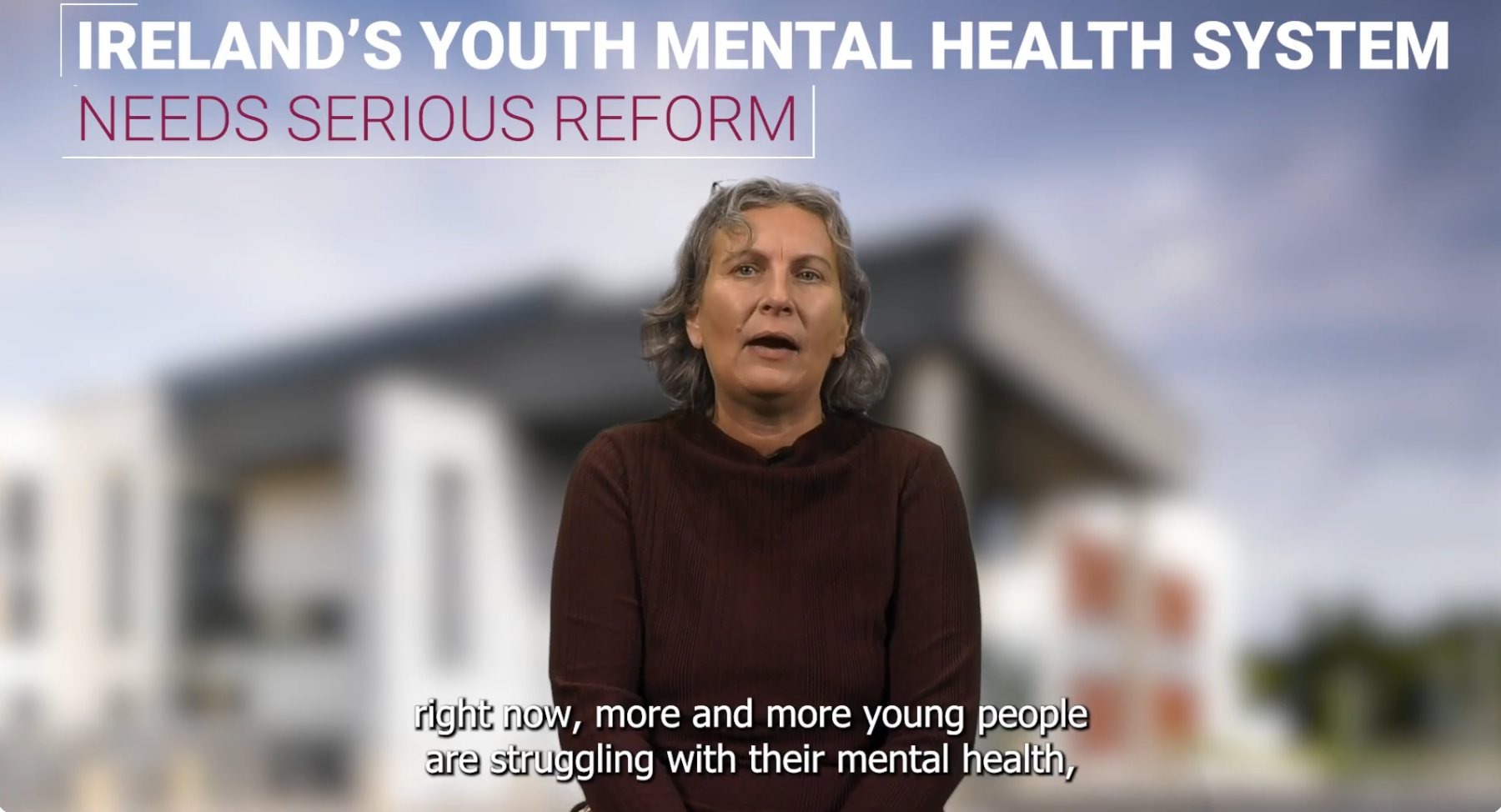
A new video supported by Atlantic Futures explores how co‑produced, evidence‑based digital mental health resources can complement existing services and reach young people who are often left behind by traditional models of care.
Why This Work Matters
Speaking in the video, Dr. Carmen Kealy highlights the pressure facing Ireland’s youth mental health system, noting that many young people struggle to navigate fragmented supports and conflicting information — particularly online.
“There’s a real inconsistency in how mental health supports are implemented and understood. Young people are often left confused about what works, what’s safe, and where to turn.”
Digital platforms already shape how young people learn about mental health. When designed well, they can offer accessible, private and flexible support. When designed poorly, they risk spreading misinformation or disengaging those most in need.
The challenge, the research argues, is not whether digital mental health tools should exist — but how they are designed, governed and evaluated.
Co‑Production at the Core
A central insight from the project is the importance of co‑production with young people. Rather than treating young users as end‑points, this work involved them directly in shaping priorities, content and design.
The project established:
- An advisory board to guide strategic direction
- A reference group of young people to inform lived experience, usability and trust
Young participants raised key issues around privacy, credibility and relevance, helping ensure that the resulting digital resource reflects real concerns rather than assumptions.
Implications for Policy and Practice
As Ireland continues to expand digital mental health provision through national strategies, the video offers clear messages for practitioners, educators and policymakers:
- Digital tools should complement, not replace, in‑person services
- Evidence and safeguarding must be built in from the start
- Tools designed without youth input risk low uptake and wasted investment
- Co‑produced approaches improve trust, accessibility and long‑term impact
Designing with young people, rather than for them, is positioned not as an optional extra — but as a requirement for effective digital mental health innovation.
Looking Ahead
This work contributes to a growing body of research calling for more inclusive, participatory approaches to mental health support. By embedding youth voice into digital design, Atlantic Futures continues to support innovation that bridges research, policy and lived experience.
Watch the embedded video to explore the insights in full and hear directly from those involved in shaping this work.
Atlantic Futures, is a Strand III project funded under the North South Research Programme - a collaborative scheme funded through the Government’s Shared Island Fund. It is being administered by the Higher Education Authority (HEA) on behalf of the Department of Further and Higher Education, Research, Innovation and Science.